Breaking 50: It’s Harder Than It Looks
Share
I gotta be honest.
Going into our Breaking 50 shoot at Metamora Golf & Country Club, I thought this thing was going to be a slam dunk.
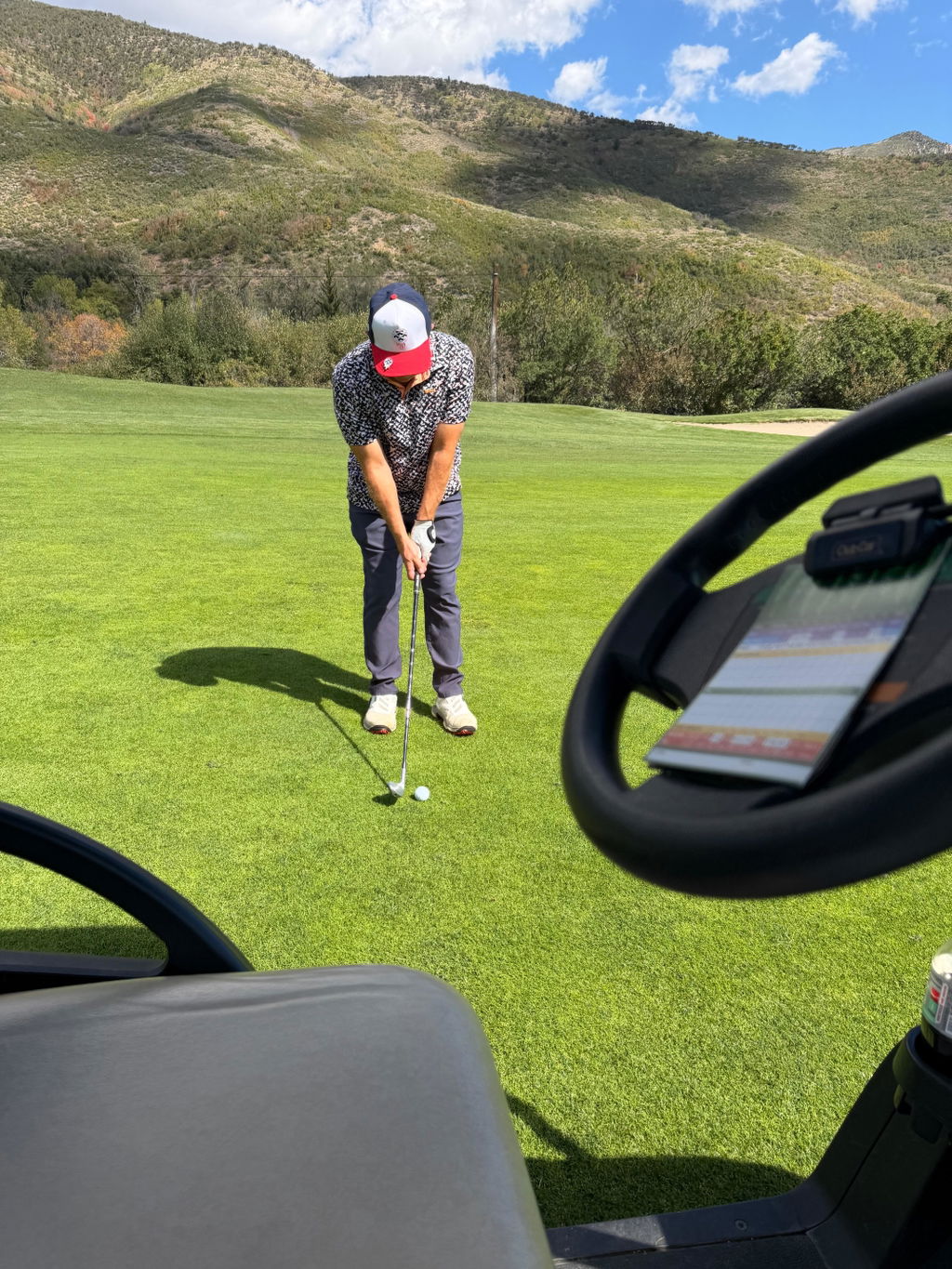
We had Caleb Clark and Doug Piesko playing a two-man scramble from the forward tees. Doug is a +6. Caleb is a +4.
Two players of that caliber, playing a scramble from those tees?
Come on.
And I wasn't alone. Most of the peanut gallery around the shoot felt pretty much the same way.
Then we actually tried to do it.
And I walked away from that day with an entirely different appreciation for just how difficult Breaking 50 really is—and maybe even more importantly, how difficult it is to play great golf while creating content at the same time.
Think about what you're actually asking two golfers to do.
To shoot 49, you essentially need to produce something like five eagles and thirteen birdies over 18 holes.
No mistakes.
No wasted opportunities.
Pars—which are perfectly good scores during any normal round of golf—suddenly feel like bogeys.
And somewhere along the way, you're probably going to need something special to happen. A bomb goes in from 40 feet. Somebody chips one in. Maybe you hole out from the fairway. Maybe you flirt with an albatross.
You need one of those rounds where everything seems to go right.
But here's the part I hadn't really appreciated before we did this:
You also have to entertain people while you're doing it.
You're mic'd up. There are cameras around you. There are microphones on the cart. You're talking through shots, reacting to what just happened and trying to bring the audience into the experience.
And meanwhile, you're trying to shoot one of the best rounds of golf you've ever played.
The tension was actually noticeable from the moment we arrived.
Both guys knew what we were there to accomplish. They were trying to prepare, focus on their golf, work with the production team and get ready to perform.
Then you start playing.
And when those early opportunities don't convert—especially when you're walking away from par 5s with birdies when you desperately needed eagles—the math starts changing.
The pressure builds.
Anyone who plays golf knows the feeling.
Things aren't going according to plan. You're frustrated. You're replaying the last shot in your head. You're thinking about the next one.
And sometimes the absolute last thing you feel like doing is talking to anybody.
Except now you've got a microphone attached to your body and an audience you're supposed to entertain.
That's when something clicked for me.
YouTube golfers are doing something fundamentally different.
PGA and LPGA professionals obviously perform under an enormous amount of pressure. They've got cameras, galleries, money, rankings and careers on the line.
But they aren't expected to walk down the fairway afterward and explain to the audience how they're feeling about the 6-footer they just missed.
Content creators are.
They have to play good golf and tell the story at the same time.
They have to manage frustration while remaining engaging. They have to compete while remembering there's an audience on the other side of the camera. And when things aren't going well, they don't get to completely disappear into their own little world like the rest of us occasionally do on the golf course.
That takes an incredible amount of emotional energy.
By the end of our Breaking 50 shoot, I had a completely different perspective than I had when we showed up that morning.
We learned a lot about producing golf content.
We learned a lot about the Breaking 50 challenge.
And I gained a whole new level of respect for Caleb, Doug and the YouTube golfers who put themselves through this stuff on a regular basis.
Because from the other side of the camera, it looks pretty simple.
Put two really good golfers on a shorter golf course, turn on the cameras and go make a bunch of birdies and eagles.
After actually being there?
It ain't nearly as easy as it looks.